Energy Electrical Systems: Components, Functions, and Practical Applications
Energy Electrical Systems are the foundation of modern power infrastructure, responsible for generating, transmitting, distributing, and managing electrical energy for residential, commercial, and industrial applications. From large-scale power networks to smart energy management solutions, electrical systems play an essential role in maintaining reliable energy supply.
As energy demands continue to grow, modern electrical systems are evolving toward higher efficiency, improved safety, and smarter control technologies.
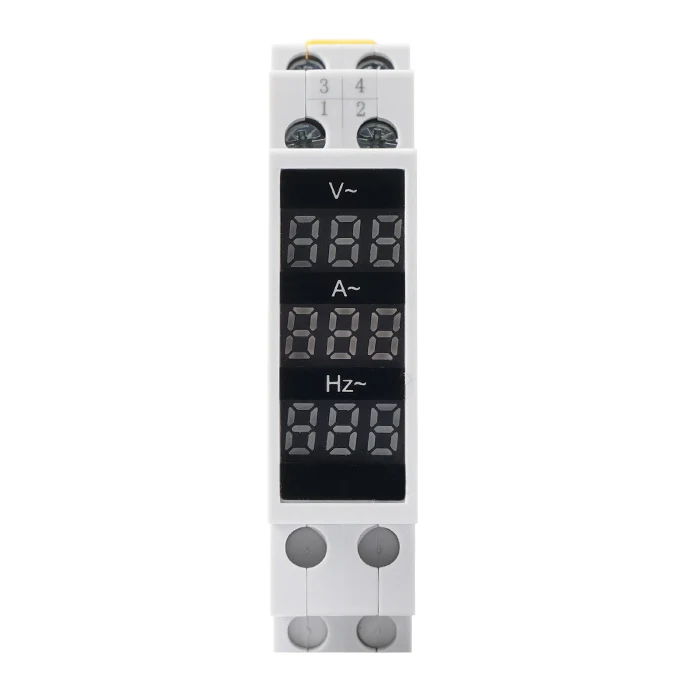
What Are Energy Electrical Systems?
Energy Electrical Systems refer to integrated systems designed to produce, control, distribute, and utilize electrical energy. These systems combine various electrical components, control devices, and monitoring technologies to ensure power is delivered safely and efficiently.
A complete electrical energy system typically includes:
| Component | Main Function |
|---|---|
| Power Generation Equipment | Produces electrical energy from different sources |
| Transmission Systems | Transfers electricity over long distances |
| Distribution Equipment | Delivers power to end users |
| Control Systems | Monitors and manages electrical operations |
| Protection Devices | Prevents damage caused by faults or overloads |
| Energy Storage Systems | Stores electricity for later use |
These systems can range from small building-level electrical networks to large industrial power infrastructures.
How Do Energy Electrical Systems Work?
The operation of an energy electrical system involves several connected stages.
1. Energy Generation
The first stage is converting different energy sources into electricity. Common energy sources include:
- Solar power
- Wind energy
- Hydroelectric power
- Natural gas
- Nuclear energy
Power generation equipment produces electrical energy that can be delivered to consumers.
2. Power Transmission
After generation, electricity is transmitted through high-voltage networks. Transmission systems help reduce energy losses during long-distance transportation.
Typical transmission components include:
- High-voltage lines
- Transformers
- Substations
3. Energy Distribution
Distribution networks reduce voltage levels and deliver electricity to homes, businesses, and industrial facilities.
This stage ensures electricity reaches users safely and reliably.
Key Components of Energy Electrical Systems
Power Generation Units
Generation equipment converts primary energy sources into electrical power. The choice of generation technology depends on factors such as energy availability, efficiency requirements, and environmental considerations.
Electrical Control Systems
Control systems monitor electrical parameters and regulate system operation.
They help manage:
- Voltage levels
- Current flow
- Power distribution
- Equipment operation status
Modern systems often integrate digital monitoring and automation technologies.
Protection Devices
Electrical protection equipment helps prevent system damage caused by abnormal conditions.
Common protection devices include:
- Circuit breakers
- Fuses
- Surge protectors
- Relay protection systems
These components improve operational safety and reduce downtime.
Different Types of Energy Electrical Systems
Renewable Energy Electrical Systems
Renewable energy systems generate electricity from naturally replenished sources.
Common examples include:
- Solar photovoltaic systems
- Wind power systems
- Hydropower systems
These systems are increasingly used for reducing dependence on traditional energy sources.
Industrial Electrical Systems
Industrial electrical systems are designed for factories, manufacturing facilities, and large-scale operations.
They typically include:
- Heavy-duty power distribution equipment
- Motor control systems
- Automation control units
- Industrial monitoring systems
Smart Energy Systems
Smart electrical systems use digital technologies to improve energy management.
Features may include:
- Real-time monitoring
- Remote control
- Automated energy optimization
- Data analysis
Why Energy Management Is Important in Electrical Systems
Efficient energy management helps improve system performance while reducing unnecessary power consumption.
Improved Energy Efficiency
Energy monitoring and intelligent control systems help identify energy waste and optimize electricity usage.
Enhanced System Reliability
Regular monitoring allows operators to detect potential issues before they become major failures.
Reduced Operating Costs
Better energy control can help lower electricity expenses and improve equipment efficiency.
Applications of Energy Electrical Systems
Energy electrical systems are used across many industries and environments.
Residential Applications
In homes, electrical systems provide power for:
- Lighting
- Household appliances
- Heating and cooling systems
- Smart home devices
Commercial Buildings
Office buildings, shopping centers, and public facilities rely on electrical systems for:
- Lighting systems
- Elevators
- Security equipment
- HVAC systems
Industrial Facilities
Factories require advanced electrical systems to operate:
- Production machinery
- Automation equipment
- Robotic systems
- Power management equipment
Modern Trends in Energy Electrical Systems
Integration of Renewable Energy
More electrical systems are incorporating renewable energy sources to create cleaner and more flexible power solutions.
Energy Storage Technology
Battery storage systems allow electricity to be stored and used when demand increases or renewable generation decreases.
Digital Monitoring and Automation
Advanced sensors, software platforms, and communication technologies are improving how electrical systems are managed.
Maintenance Tips for Energy Electrical Systems
Regular Equipment Inspection
Routine inspections help identify issues such as overheating, loose connections, or component aging.
Monitor Electrical Performance
Tracking voltage, current, and energy consumption helps maintain stable operation.
Update Aging Components
Replacing outdated equipment can improve safety, efficiency, and system reliability.
Frequently Asked Questions About Energy Electrical Systems
What is the purpose of an energy electrical system?
An energy electrical system is designed to generate, transmit, distribute, and manage electrical energy for different applications.
What components are included in an electrical energy system?
Typical components include generation equipment, transformers, distribution systems, control devices, and protection equipment.
How do smart electrical systems improve energy usage?
Smart systems use monitoring and automation technologies to optimize energy consumption and improve operational efficiency.
Are renewable energy systems part of electrical energy systems?
Yes. Renewable energy technologies such as solar and wind power can be integrated into modern electrical systems.
Final Thoughts
Energy Electrical Systems provide the infrastructure needed for reliable electricity generation, distribution, and management. From traditional power networks to smart energy solutions, these systems continue to evolve with advances in technology and changing energy demands.
Understanding the structure and functions of electrical energy systems helps businesses, engineers, and users better manage power resources and build more efficient energy solutions.